Lois Pamela LESOT

Lois Pamela LESOT, avocate au Barreau de Paris, vous apporte conseils, assistance et défense de vos intérêts, que vous soyez auteurs ou victimes d’infractions pénales. Droit pénal, droit pénale européen et international, droit pénal des affaires, droit pénal des médias, protection des droits de l'Hommes et droits fondamentaux.

The criminal complaint

Any person with legal capacity who considers themselves the victim of an offense can file a complaint. The complaint is not subject to any conditions, but in order for it to be effective, it may be useful to include certain information.

Sexual Assault


Sexual assault, as defined by Article 222-22 of the French Criminal Code, is a criminal offence defined as "any sexual act committed through violence, coercion, threat or surprise or, in the cases provided for by law, committed by an adult against a minor."

This offence differs from rape in that it does not involve sexual penetration.

Sexual assault is punishable by five years’ imprisonment and a fine of €75,000, excluding aggravating circumstances.

Voluntary witness interview

Individuals for whom there is no plausible reason to suspect that they have committed or attempted to commit an offence are interviewed by investigators without being subject to any coercive measure.

These individuals are then given the status of witnesses: they are not suspected of having committed an offence, and the police simply seek to obtain their testimony.

Threats


Threatening to commit a felony or a violent misdemeanour against another person is an offence punishable under Articles 222-17 and 222-18 of the French Criminal Code, whether the threat is made on its own or accompanied by an order to fulfil a condition.

A simple threat is punishable by 6 months’ imprisonment and a fine of €7,500, and the penalties are increased in the event of aggravating circumstances (where the threat is accompanied by an order to fulfil a condition, where it is made by a spouse, cohabiting partner or civil union partner, etc.).

Administration of Harmful Substances

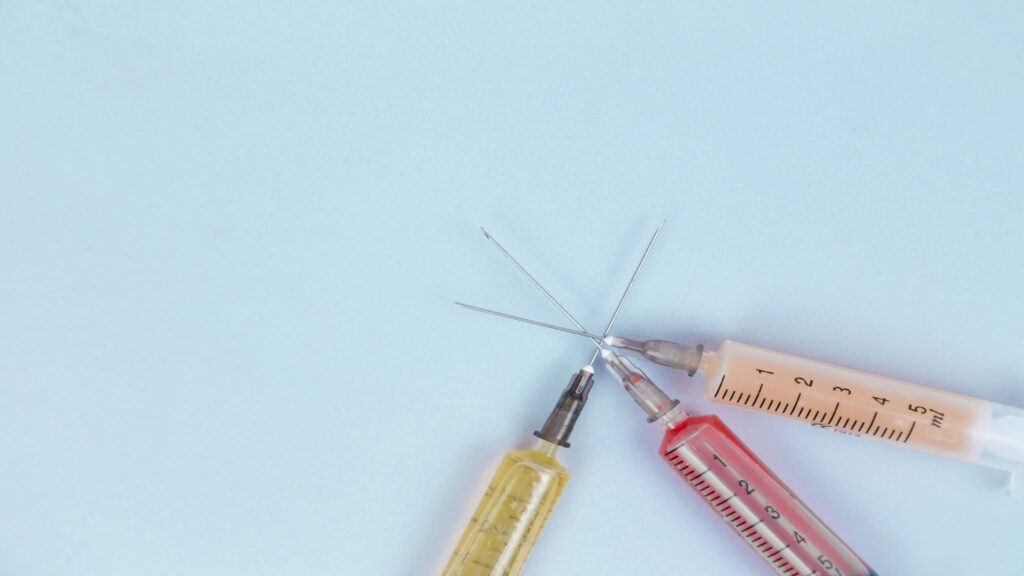
Poisoning consists of attempting to take another person's life by using or administering substances capable of causing death. 

It is provided for and punishable under Article 221-5 of the French Criminal Code and is distinct from murder and the administration of harmful substances.

Poisoning

Poisoning consists of attempting to take another person's life by using or administering substances capable of causing death. 

It is provided for and punishable under Article 221-5 of the French Criminal Code and is distinct from murder and the administration of harmful substances.

Corruption


Passive corruption (Article 432-11 of the French Criminal Code) is committed when a person exercising a public function takes advantage of their position by soliciting or accepting gifts, promises or benefits in return for performing or refraining from performing an act relating to their duties. This person is referred to as the bribe-taker.

Active corruption (Article 433-1 of the French Criminal Code) is committed when a natural or legal person obtains or attempts to obtain, through gifts, promises or benefits, from a person exercising a public function, the performance, delay or omission of an act relating to that person's duties, or an act facilitated by those duties. This person is referred to as the bribe-giver.

Although complementary, active and passive corruption are separate and autonomous offences, meaning that they may be prosecuted and tried separately.

Money Laundering

The offence of money laundering consists of concealing the fraudulent origin of funds derived from a felony or misdemeanour so that they appear to come from legitimate sources.

These acts are provided for under Articles 324-1 et seq. of the French Criminal Code.
Handling stolen goods is provided for and punishable under Article 321-1 of the French Criminal Code.